


 Deutsch
 English
 Español
 Français
 Nederlands
 Português


 Share
Share




Global Turmoil on July 14, 2026: A Day of Cascading Crises
On July 14, 2026, the world witnessed a convergence of major geopolitical, political, and environmental crises. Iran launched coordinated missile attacks on Gulf states, Hungary's parliament voted to remove its president, and France shut down three nuclear reactors as a brutal heatwave swept across Europe. These events, unfolding simultaneously, underscored the fragility of global stability and the accelerating impacts of climate change.
Iran Crisis: Strait of Hormuz Blockade and Missile Strikes
Escalation in the Gulf
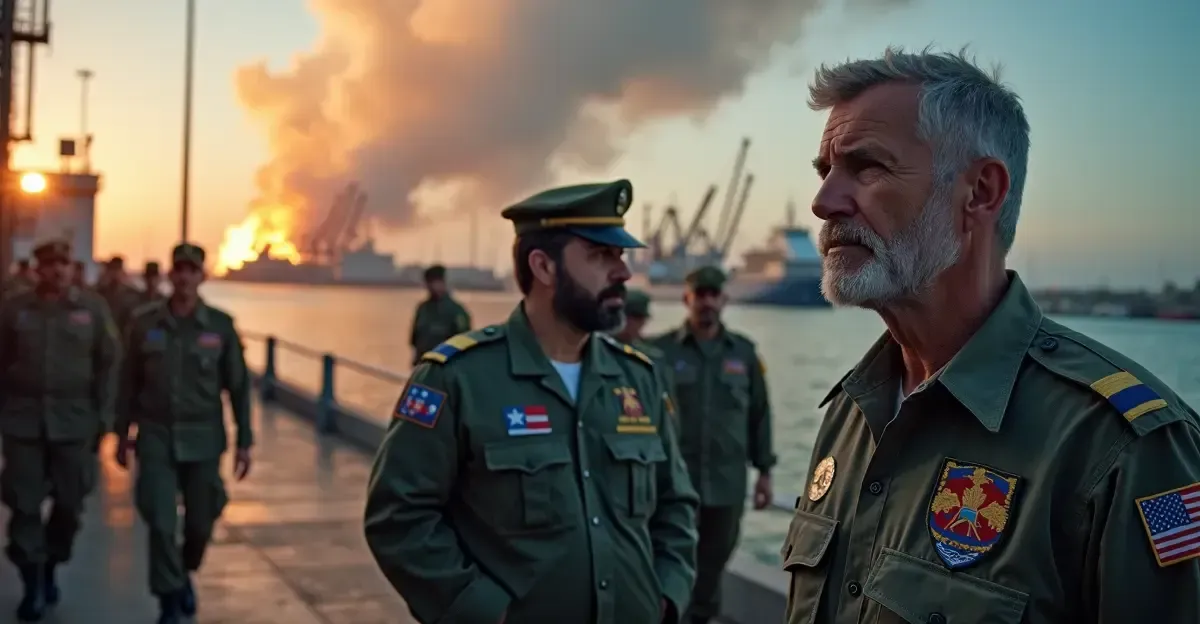
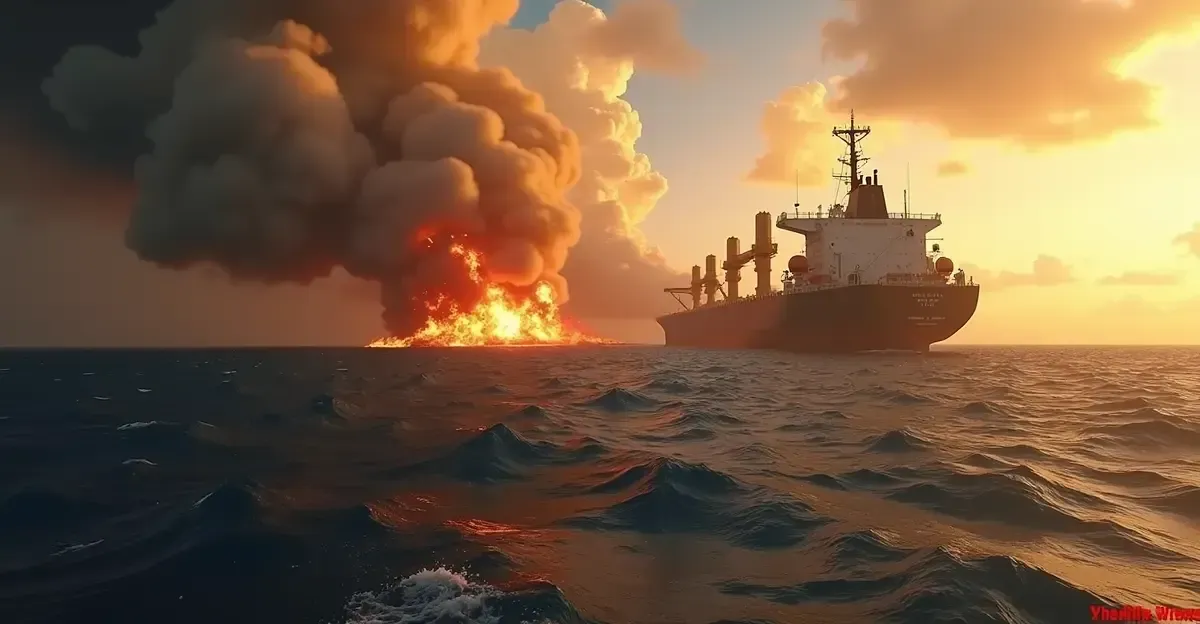
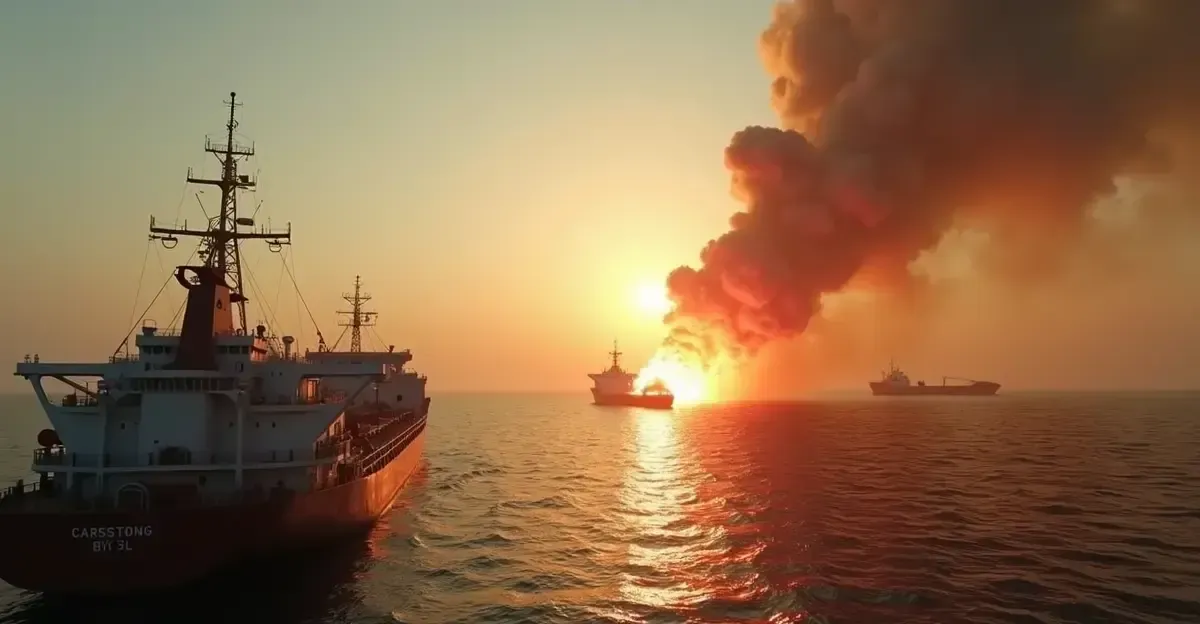
The most dramatic developments occurred in the Middle East, where the simmering US-Iran conflict erupted into open hostilities. On July 14, the United States reimposed a naval blockade on Iranian ports in the Strait of Hormuz after Iran fired projectiles at two oil tankers, killing one Indian crew member and injuring eight others. President Donald Trump ordered the blockade, reversing a proposed 20% fee on cargo ships transiting the strategic waterway. The Strait of Hormuz, through which 20% of global oil and 25% of LNG passes, became the epicenter of the crisis.
Iran's Retaliation
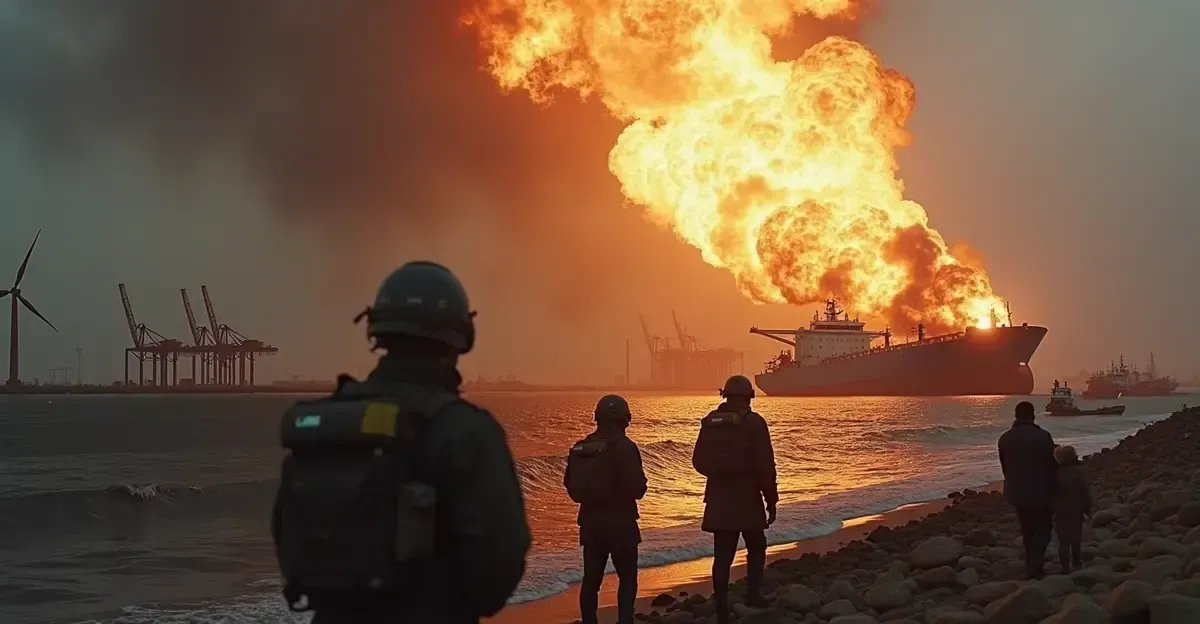
In response to US strikes that hit approximately 140 military targets across Iran, Tehran launched cruise missiles and drones at multiple Gulf states, including the UAE, Qatar, Kuwait, Oman, and Bahrain. The Islamic Revolutionary Guard Corps (IRGC) claimed it targeted US radar sites in Kuwait and a US base in Jordan. Traffic through the Strait of Hormuz plummeted by 52% week-on-week, with only 22 ships crossing on July 9 compared to 147 before the war. Brent crude rose 2% to $85 a barrel, and war risk premiums surged.
The escalation shattered a fragile 60-day ceasefire signed in June 2026. Iran's foreign ministry condemned the US attacks as 'aggressive,' while Tehran's negotiator declared that the 'era of one-sided deals is OVER.' The 2026 Strait of Hormuz crisis has become a defining flashpoint in modern geopolitics.
Hungary: Parliament Ousts President in Anti-Orban Purge
Constitutional Overhaul
In Budapest, Hungary's parliament voted overwhelmingly to oust President Tamás Sulyok, a close ally of former Prime Minister Viktor Orbán. The vote, 139 in favor and only six against, passed a constitutional amendment that immediately terminated Sulyok's mandate. The move is part of new Prime Minister Péter Magyar's 'Operation Cleansing Fire' reform program, aimed at dismantling Orbán's legacy after 16 years of rule.
The amendment also introduces judicial reforms, creates a body to investigate alleged financial abuses under the previous government, and imposes a 12-year term limit on lawmakers. Sulyok has five days to sign the amendment or face impeachment proceedings. Opposition lawmakers boycotted the vote, warning of democratic backsliding. The Hungary political crisis 2026 reflects deepening divisions within the country and challenges to the rule of law.
France: Heatwave Forces Nuclear Reactor Shutdowns
Record Temperatures
France experienced its third heatwave since May 2026, with temperatures reaching 41°C (105.8°F) in some regions. State-owned energy provider EDF shut down three nuclear reactors — Golfech Unit 2, Bugey Unit 3, and Chooz Unit 2 — because the rivers used for cooling (Garonne, Rhône, and Meuse) reached dangerously warm temperatures, threatening aquatic life. Together, the halted reactors represent roughly 6% of France's 61 GW nuclear capacity. Seven more reactors may operate at reduced power.
EDF emphasized there is no nuclear safety risk, but environmental regulations cap the temperature of water discharged back into rivers. The affected reactors are expected to restart between July 19 and July 25, depending on weather conditions. The economy ministry issued a temporary exemption for the Bugey plant to maintain grid security. EDF has disclosed an €8.7 billion adaptation plan over 15 years to climate-proof its fleet, acknowledging that such heat-related restrictions — currently shaving 0.3% off annual output — will become more frequent.
The 2026 European heatwaves have been linked to climate change, with scientists warning that such extreme events are becoming more common.
Impact and Implications
The simultaneous crises on July 14, 2026, highlight the interconnected nature of modern global risks. The Iran conflict threatens global energy supplies and could trigger a wider regional war. Hungary's political upheaval raises questions about democratic governance in Central Europe. France's nuclear shutdowns underscore the vulnerability of critical infrastructure to extreme weather, exacerbated by climate change.
As the world watches these developments unfold, the need for coordinated international responses has never been more urgent. The events of July 14 serve as a stark reminder that geopolitical tensions, political instability, and environmental crises are not isolated phenomena but often occur in tandem, amplifying their collective impact.
Frequently Asked Questions
What happened in the Strait of Hormuz on July 14, 2026?
On July 14, 2026, the US reimposed a naval blockade on Iranian ports after Iran attacked two oil tankers, killing one crew member. Iran retaliated by launching missiles at multiple Gulf states. The Strait of Hormuz is a critical chokepoint for global oil shipments.
Why did Hungary's parliament oust its president?
Hungary's parliament voted to remove President Tamás Sulyok as part of a constitutional overhaul by Prime Minister Péter Magyar's government, aimed at dismantling the legacy of former leader Viktor Orbán.
Why did France shut down nuclear reactors?
France's EDF shut down three nuclear reactors because river temperatures rose too high due to a heatwave, threatening aquatic life. Environmental regulations require cooler discharge water.
How did global markets react to the Iran crisis?
Brent crude oil rose 2% to $85 a barrel, and war risk insurance premiums surged. Traffic through the Strait of Hormuz declined by over 50%.
What is 'Operation Cleansing Fire' in Hungary?
'Operation Cleansing Fire' is a reform program by Prime Minister Péter Magyar to install a new constitution, purge state institutions of Orbán loyalists, and establish an anti-corruption office.
Sources
Information compiled from Al Jazeera, AP News, Reuters, CNBC, Euractiv, France 24, Euronews, and Wikipedia. All sources accessed on July 14, 2026.


Follow Discussion